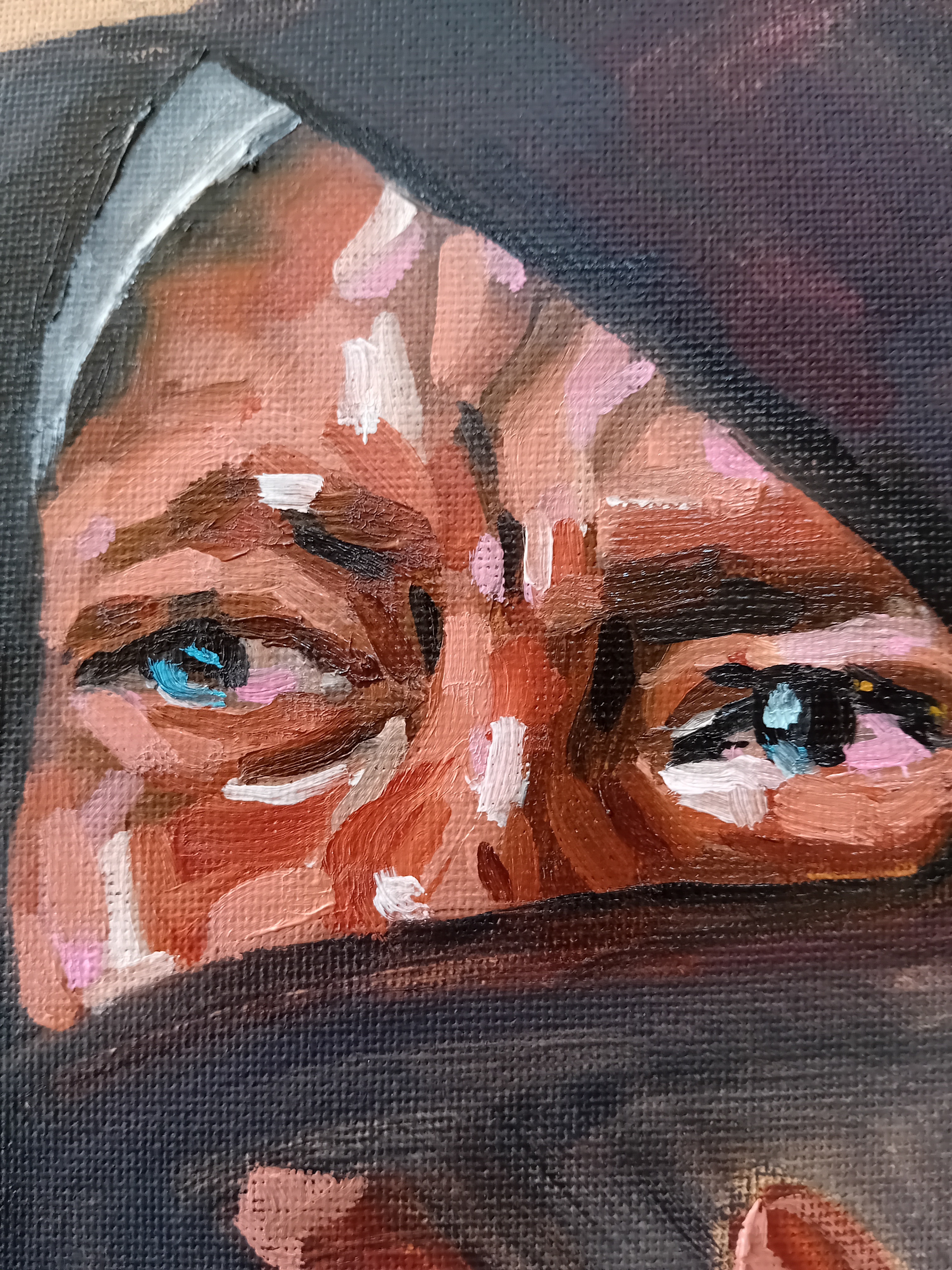
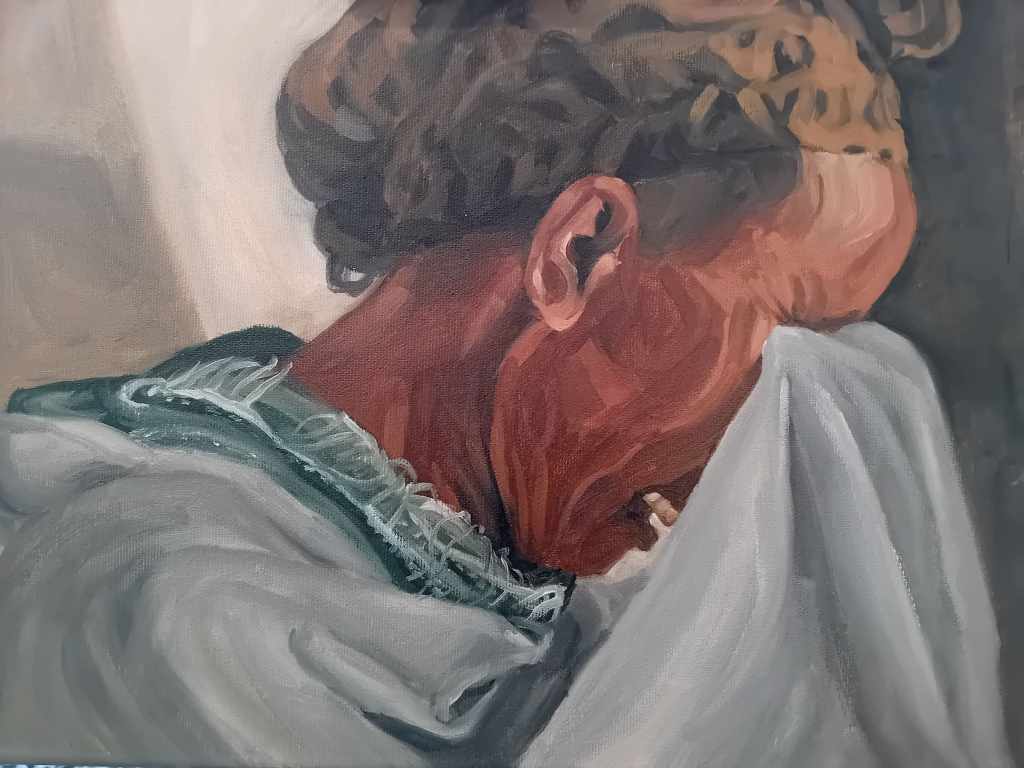
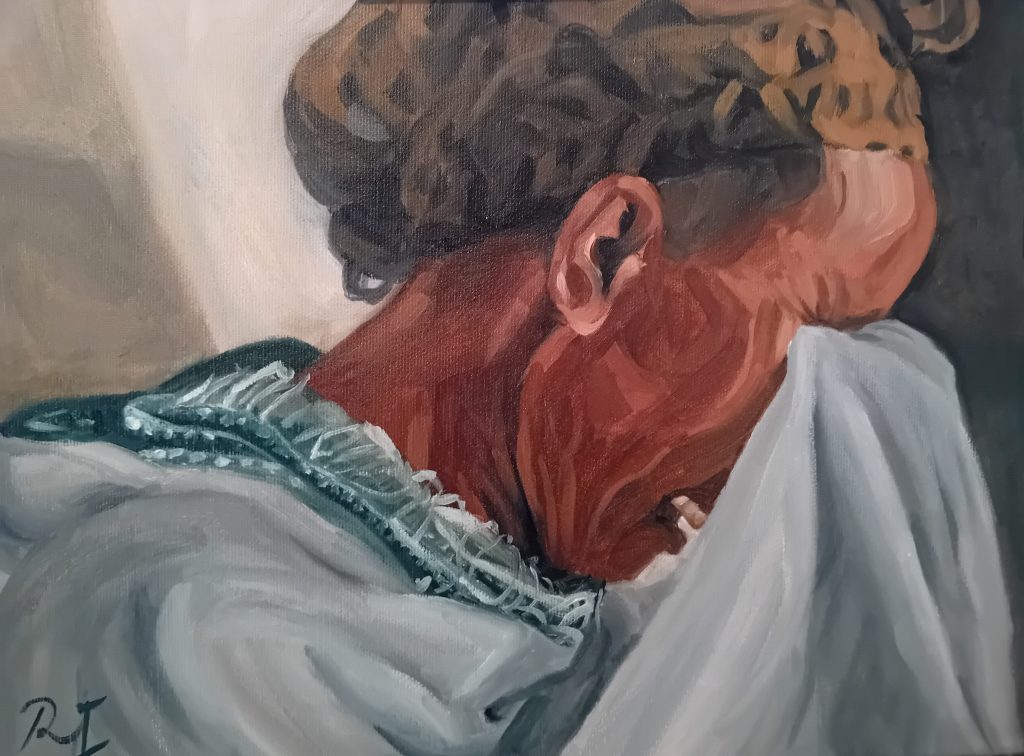
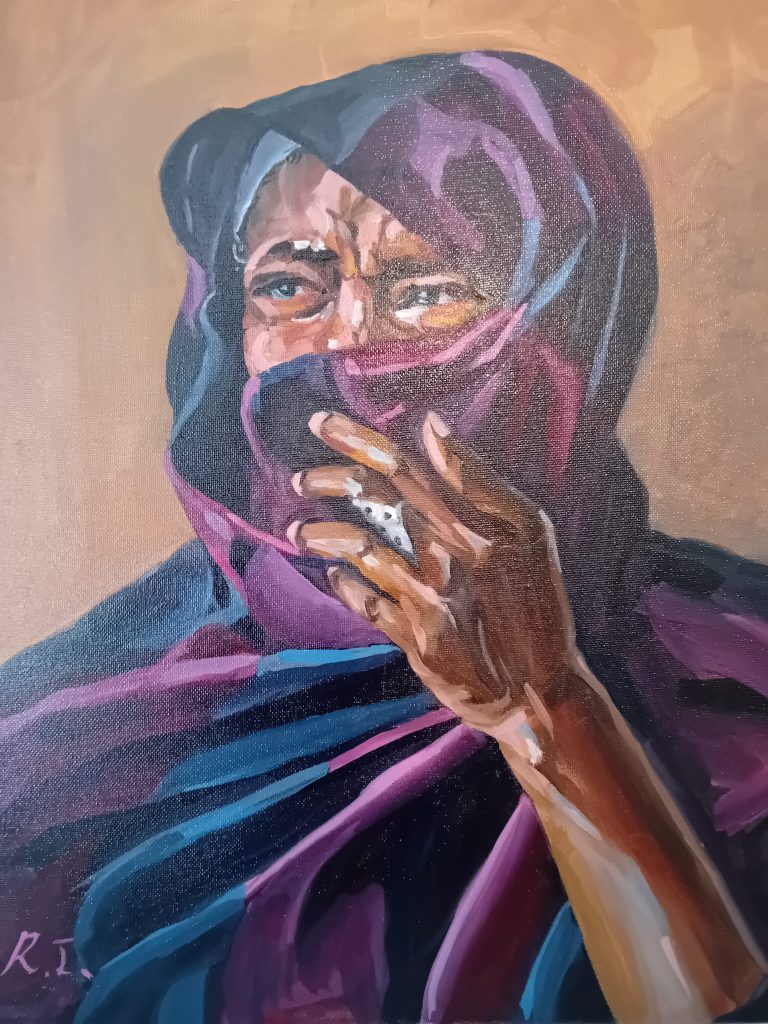
My first portrait series, *Women and Conflict: Faces of Suffering and Resilience*, emerged from the conflict in Tigray and the extensive sexual violence reported during the war. Inspired by journalistic photographs of Tigrayan and other Ethiopian women affected by conflict, these portraits were an attempt to bear witness to experiences that are too often reduced to statistics, headlines, or distant accounts of suffering.
Through this work, I sought to bring the human realities of war and sexual violence closer to public consciousness. The portraits became a means of raising awareness, encouraging reflection and supporting efforts to develop responses that are sensitive to the lived experiences, cultural contexts and spiritual needs of affected women.
For me, art can complement research and advocacy by inviting us to pause, look more closely and recognise the humanity behind the stories we encounter. It cannot undo violence or substitute for practical action, but it can help ensure that the people affected by it are not forgotten.
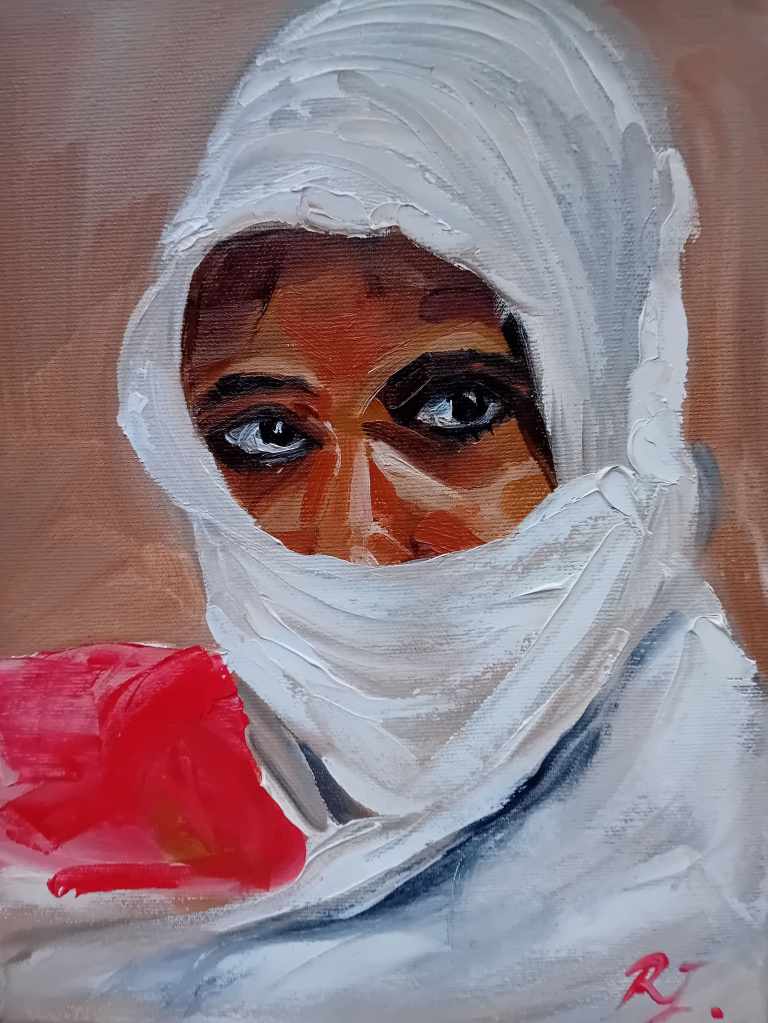
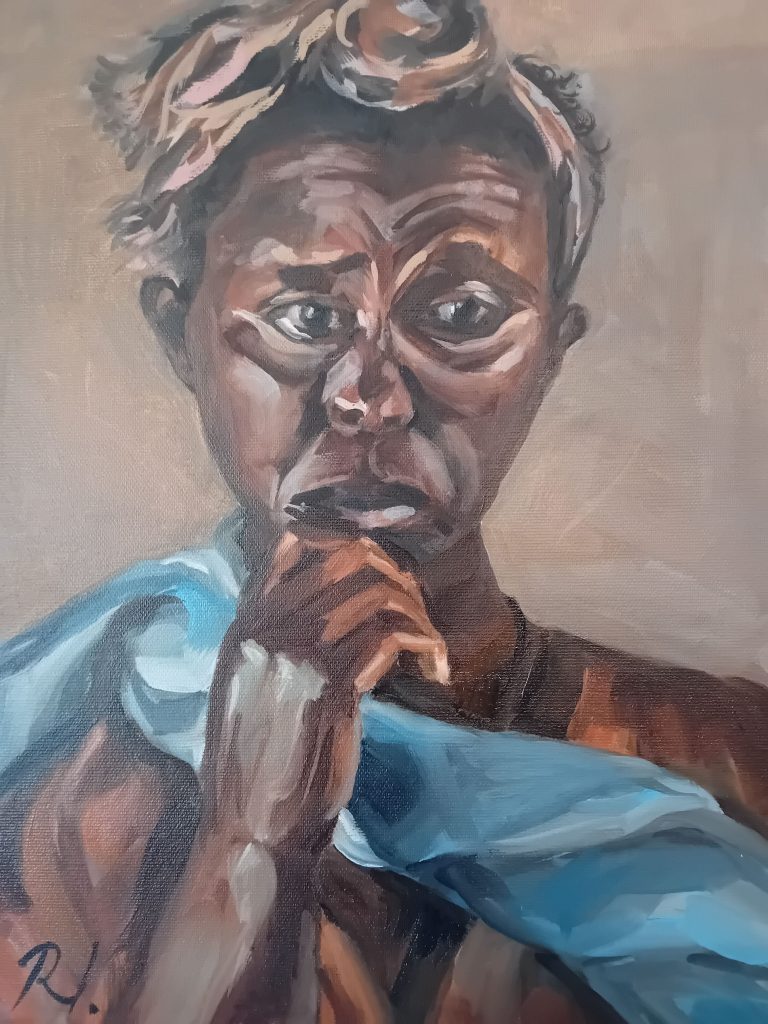
Copyright, Acknowledgement and AI Use Notice
© 2026 Romina Istratii. All rights reserved. These original portraits were painted by Dr Romina Istratii, inspired by photographs previously published in journalistic and other public sources. The portraits are shared to raise awareness of the trauma and suffering caused by war and the plight of women in particular. Faces have been creatively altered to reduce actual resemblance and to minimise risks of survivor re-traumatisation or stigma.
The portraits and accompanying materials may not be scraped or used for AI or machine-learning training, facial-recognition systems, or the creation of synthetic representations without prior written permission from the relevant rights holder.
Donations for survivor-centred project in Tigray
The Institute of Domestic Violence, Religion & Migration is currently running a campaign to raise funds for a collaborative project that seeks to build the preparedness of clergy in Tigray to support survivors and to counter survivor stigma.
You can read more or donate on the IDVRM website.

