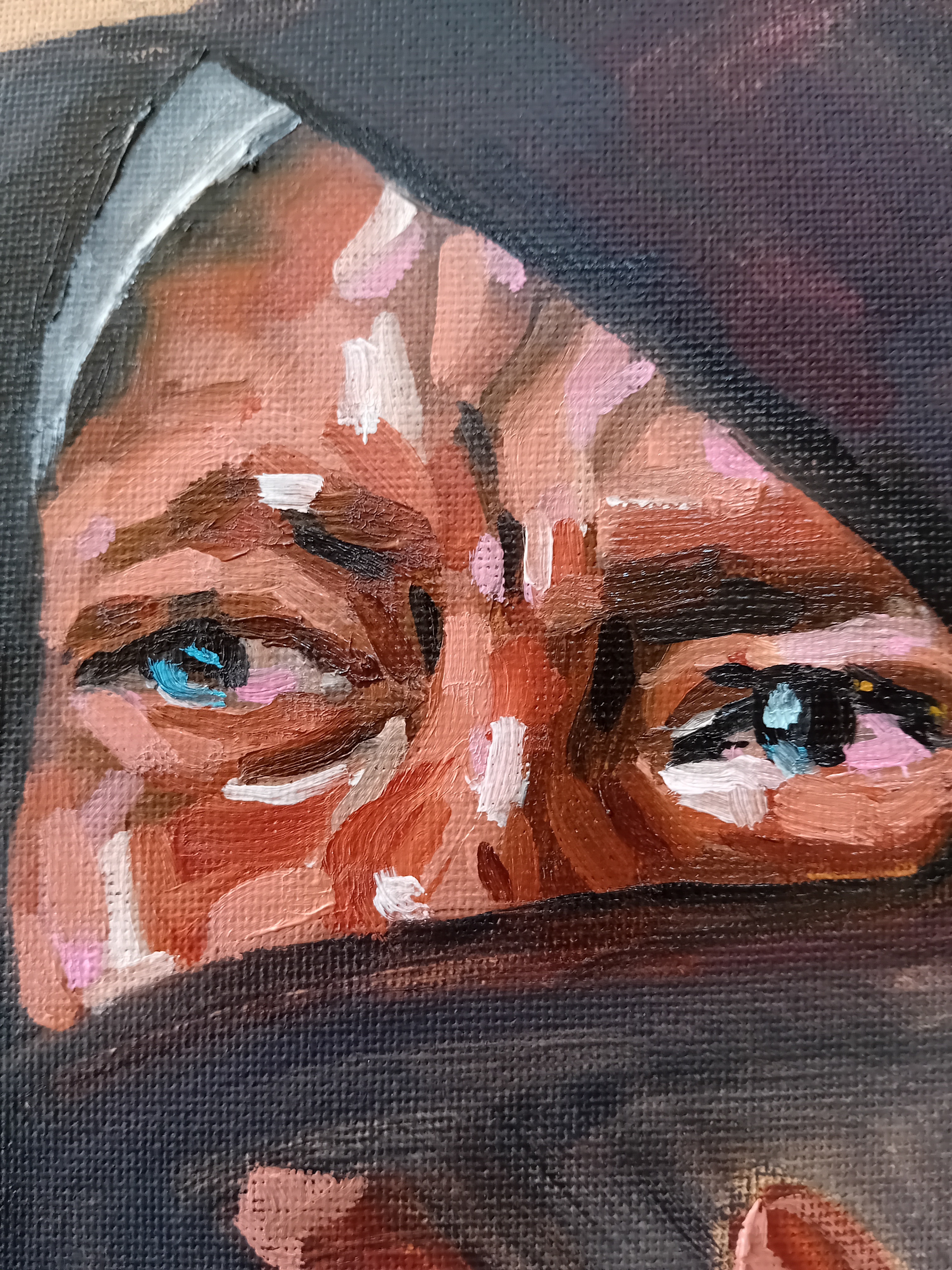
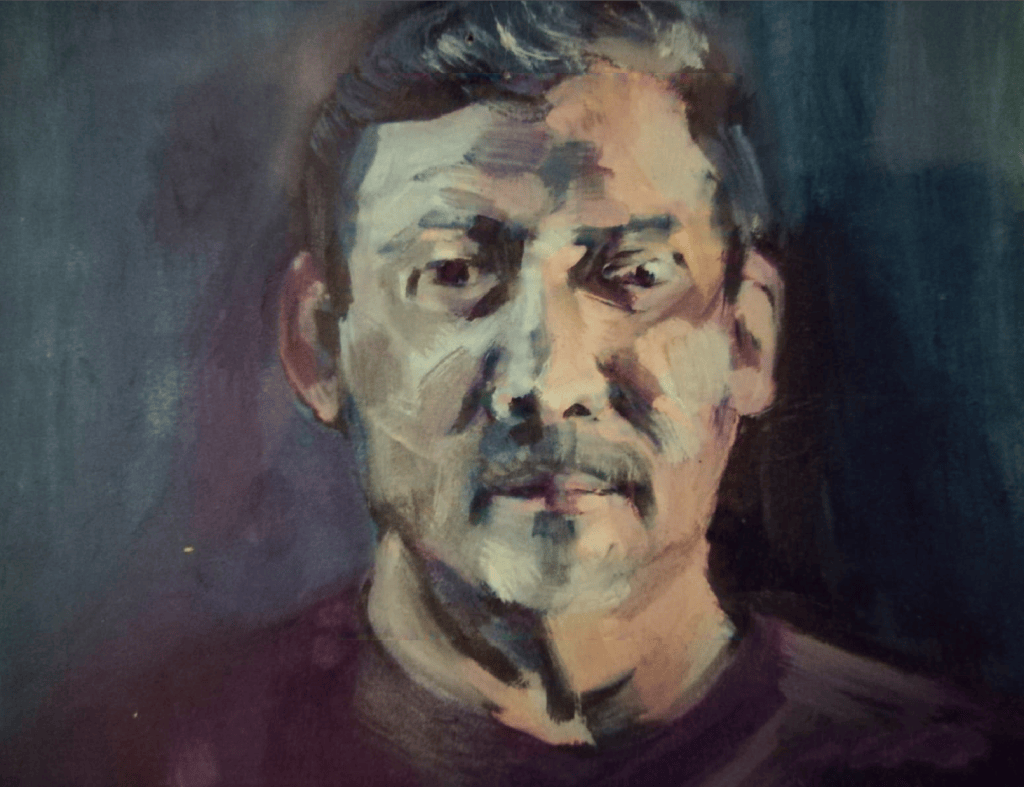
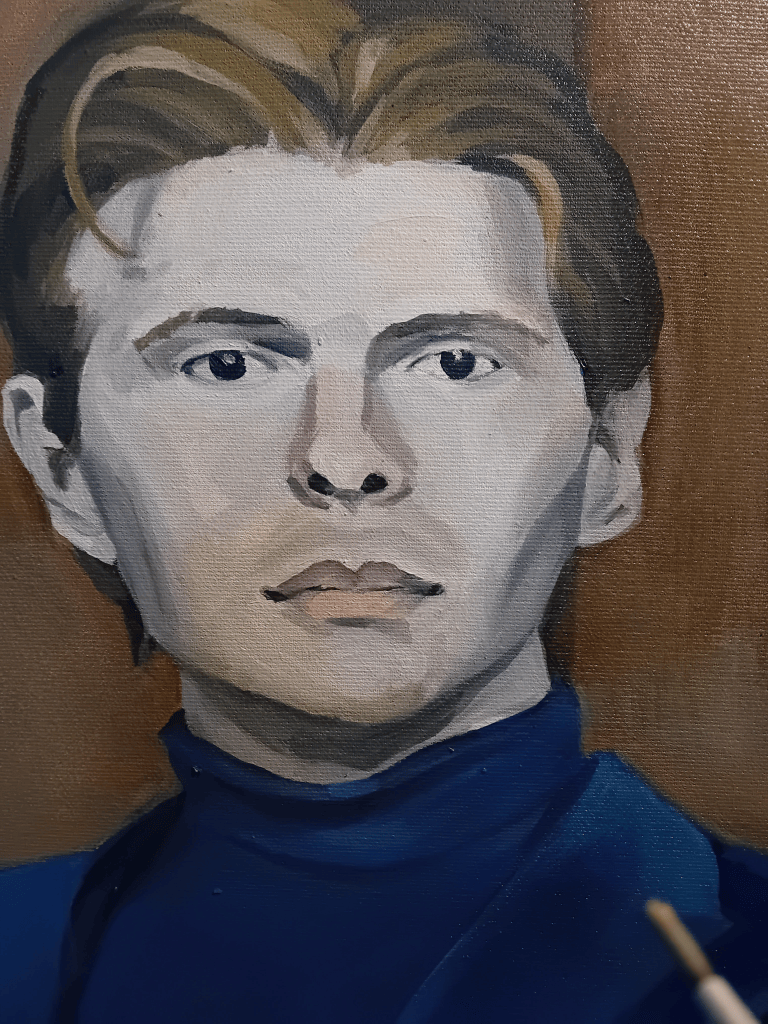
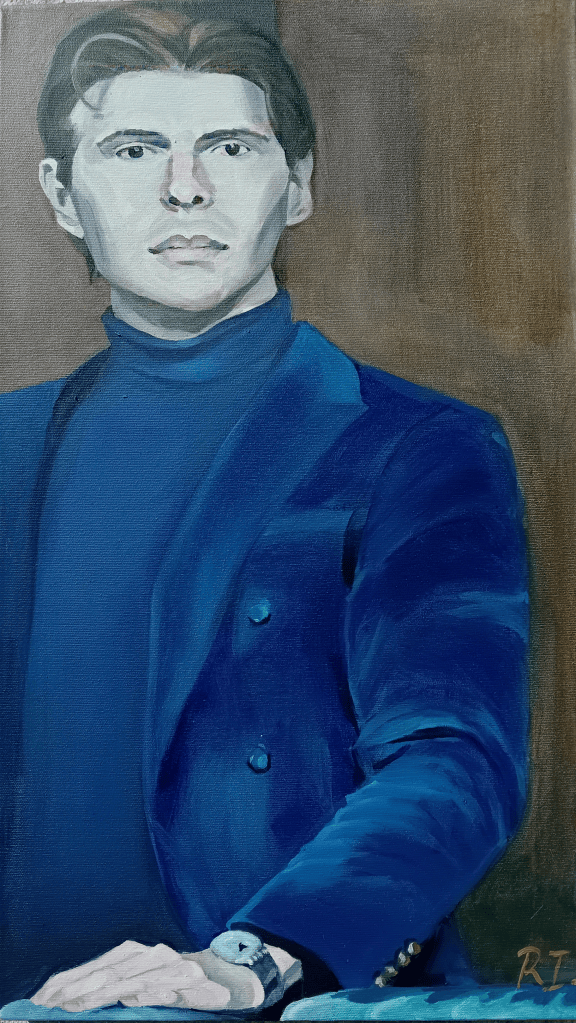
My current series, *Ordinary Men: Celebrating the Quiet Ones*, marks a new direction in my artistic journey. It features portraits of men I have encountered throughout my life: some who have passed through it briefly and others who remain part of my circle. They are men I know personally who strive to be good men: dedicated husbands, fathers, brothers, sons, friends, colleagues and fellow human beings. What connects them is their integrity, their sympathy for the vulnerable and the weak and their determination to live as positively as they can despite the struggles, doubts and challenges we all face in today’s world.
Through this series, I want to shine a light on men who try to be the best they can be—good men who practise care, kindness and responsibility quietly, without seeking recognition or applause.
To challenge harmful ideas about masculinity and harmful ways of being male, often celebrated by sensationalist voices in the so-called ‘manosphere’, I believe that we need to bring more positive role models into the spotlight. We need to recognise the ordinary good men in our surroundings: men who quietly show up for their families, stand by their friends, treat others with dignity and extend compassion to those who are vulnerable, protecting women and children, in particular. Their contributions may rarely make headlines, but they add value to the lives of the people around them every day.
*Ordinary Men* is not about idealising men or suggesting that goodness means a life without flaws, struggles, or contradictions. It is about recognising the everyday effort to act with compassion, to care for others and to remain grounded in one’s values and authentic self despite life’s difficulties. It is about celebrating men not for what they claim to be, but for how they live and how they treat others.
Truth speaks for itself. Being a good man speaks for itself. A good man does not shout it from the rooftops; he is it.
It is time we found the ordinary men among us and celebrated them—not because they ask for recognition, but precisely because they do not. Their quiet contributions matter. Their examples matter. And they, too, need to know this.
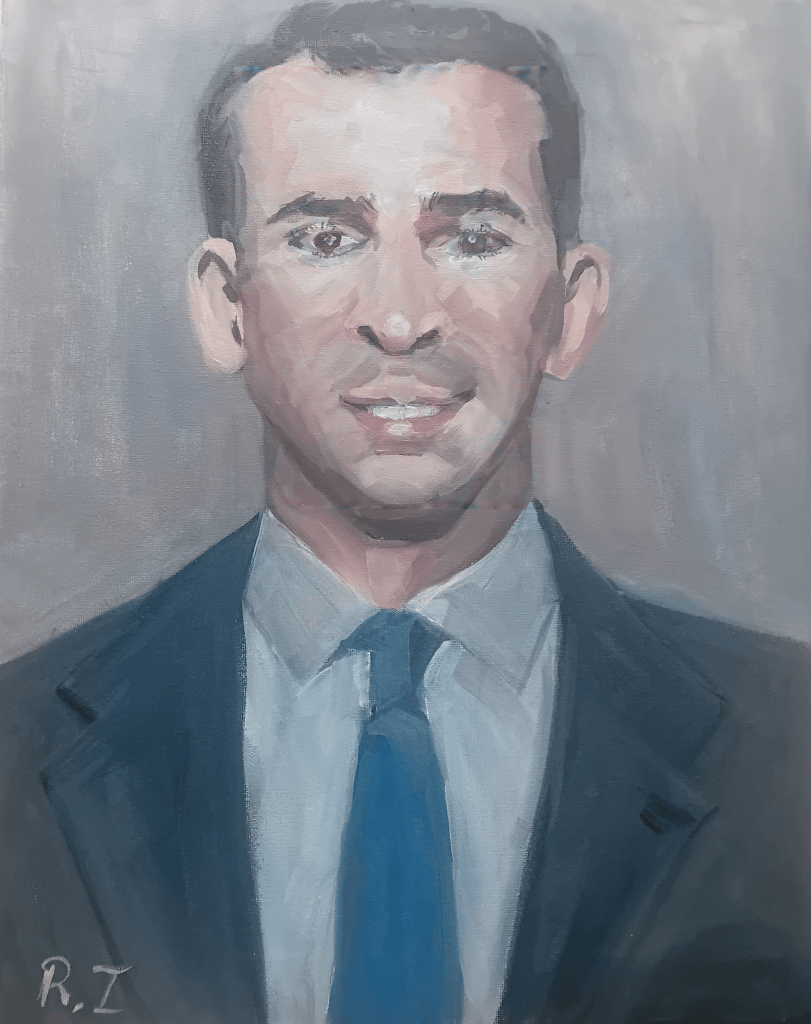
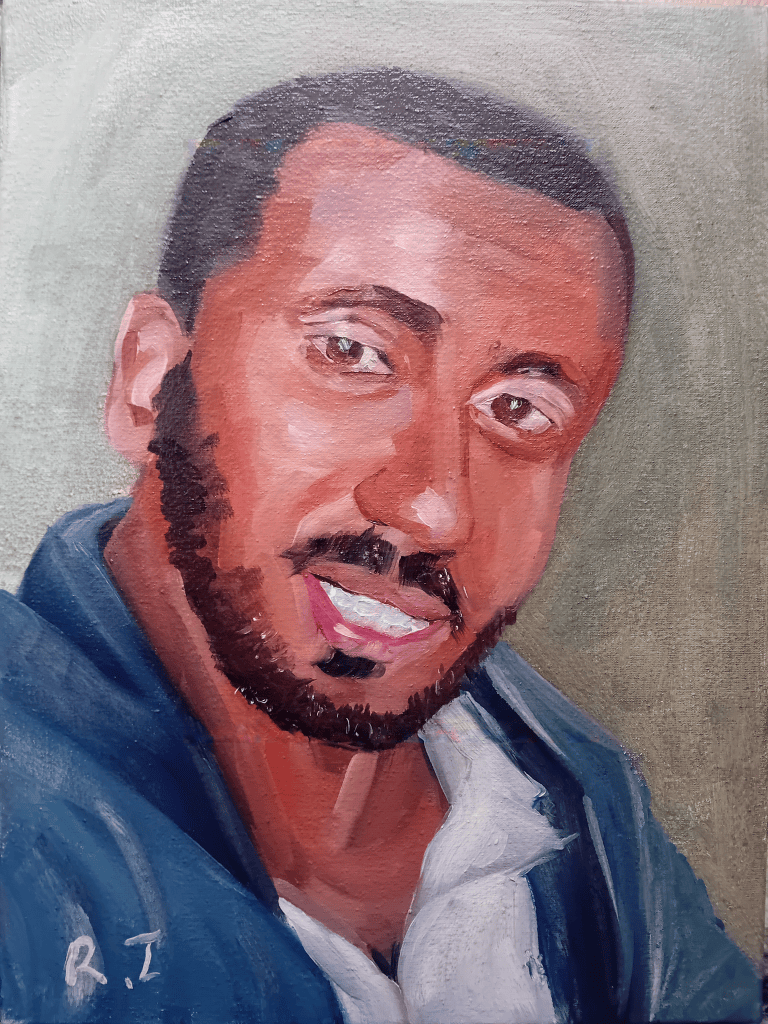
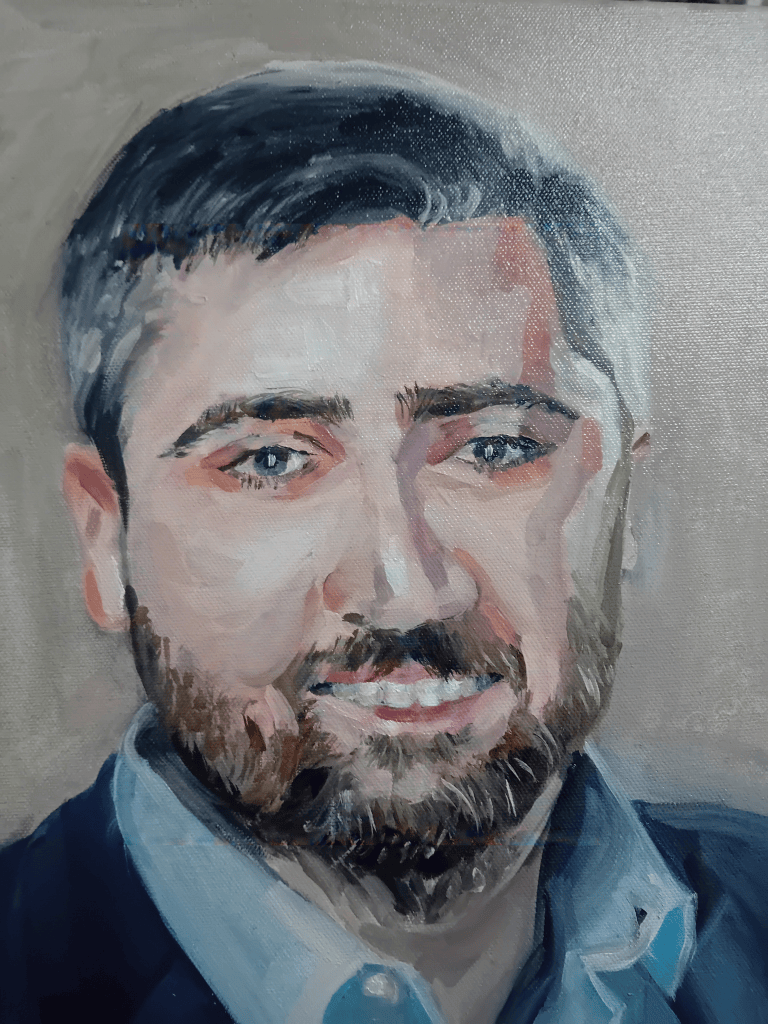
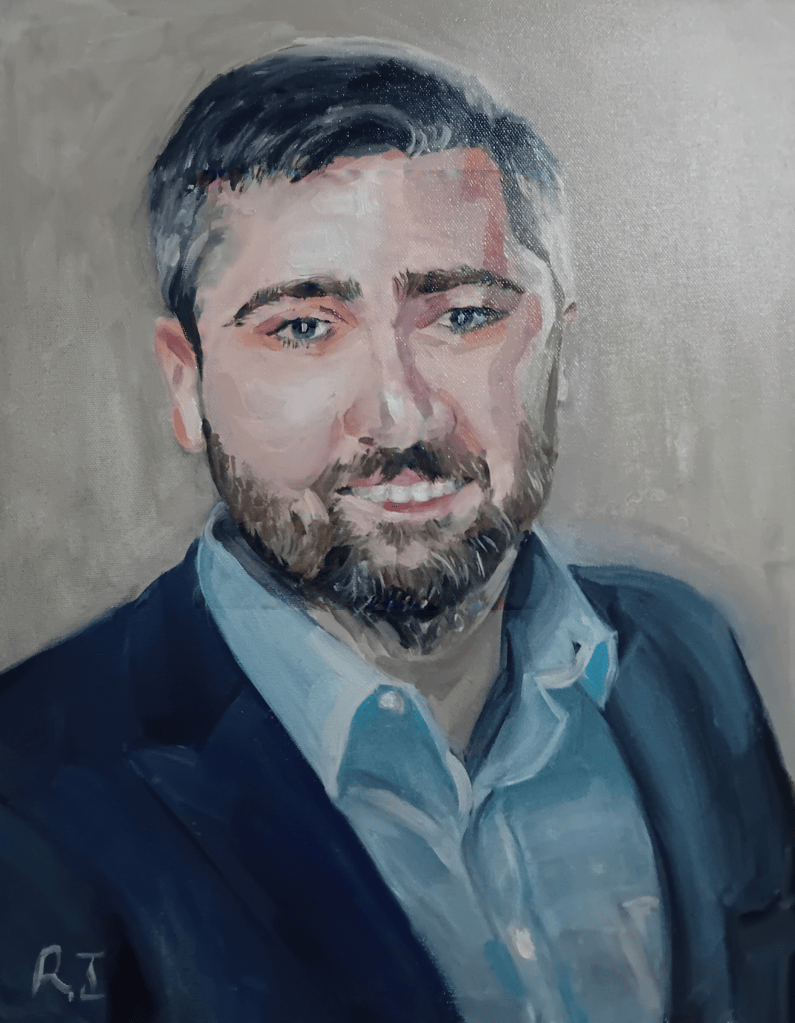
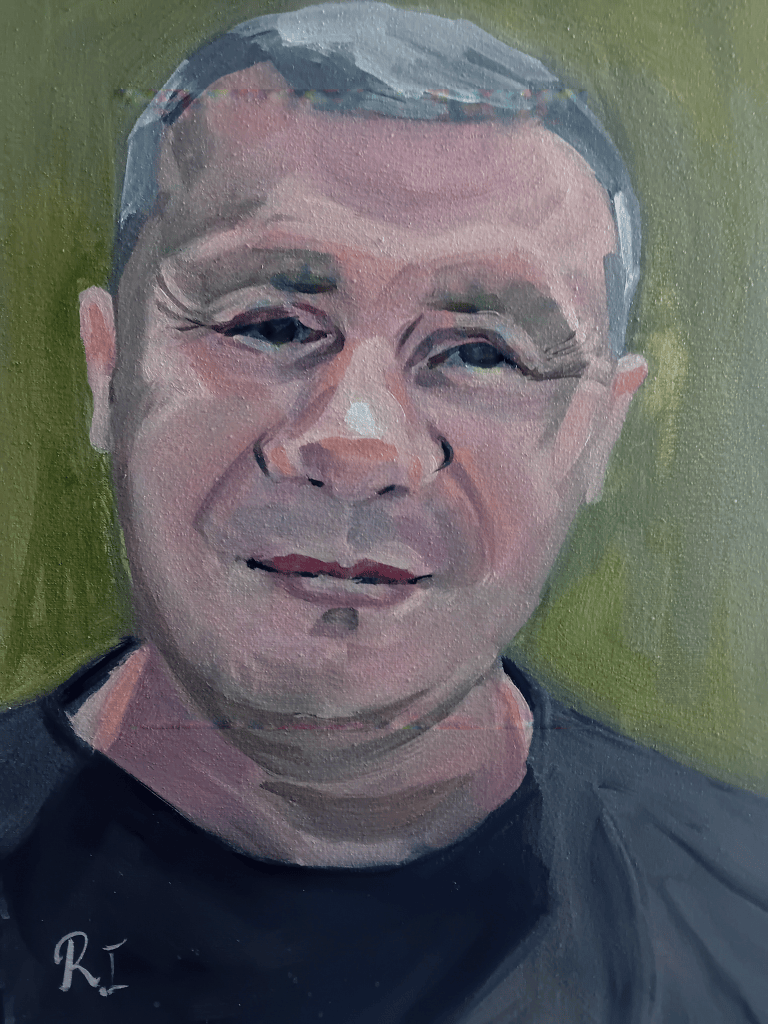
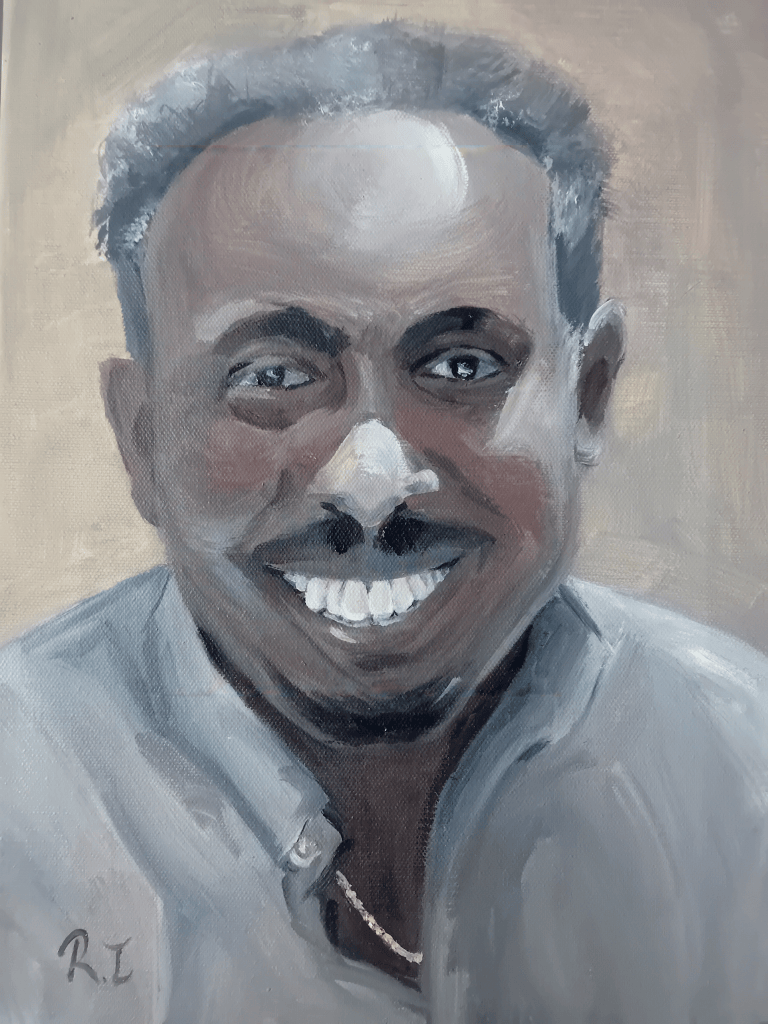
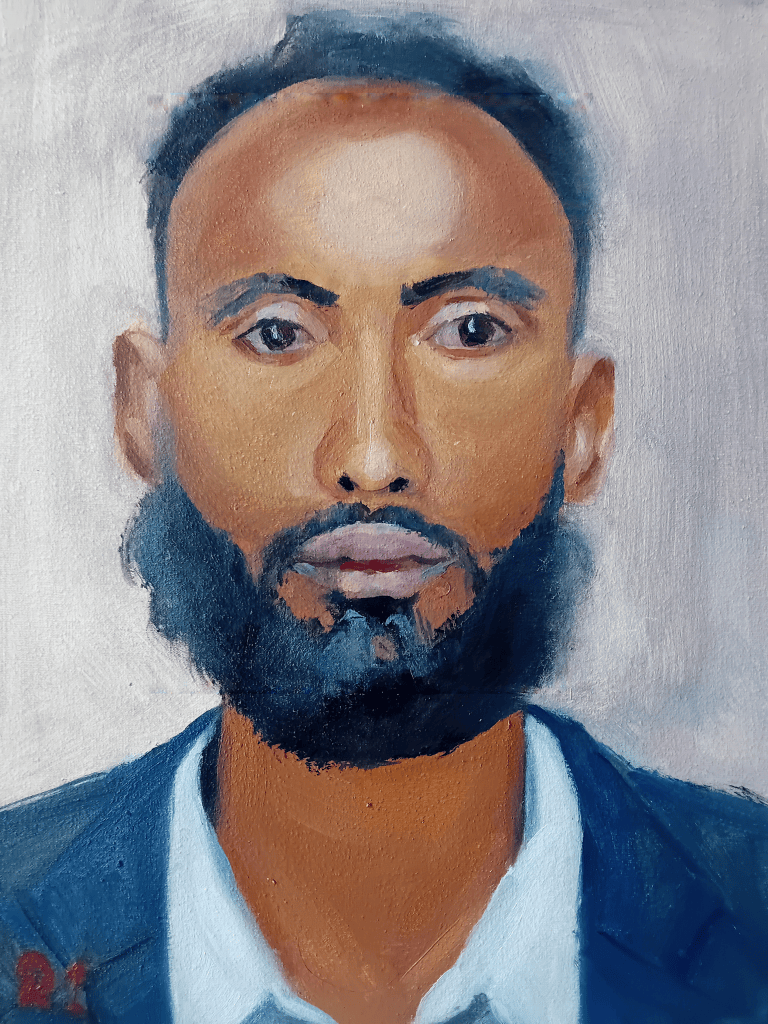
Copyright, AI Use and Image Protection Notice
© 2026 Romina Istratii. All rights reserved. The portraits in this collection have been processed using Fawkes, developed by the University of Chicago’s SAND Lab, to help protect against facial-recognition model training. No portrait may be reproduced, distributed, modified, scraped, or used to train, test, or develop AI or machine-learning systems, including facial-recognition and biometric identification technologies, without prior written permission from the relevant rights holder, except as permitted by applicable law.

